Philippine TV industry faces major shake-up as TV5 expands, GMA struggles and ABS-CBN seeks fresh capital
Broadcast network expansion, declining advertising revenues and digital media consolidation are reshaping the competitive landscape of the Philippine television industry.

The Philippine broadcast industry is entering another period of significant transformation as major television networks reassess their operations, financing and digital strategies amid continuing pressure on traditional advertising revenues.
TV5 is pursuing a substantial expansion of its nationwide broadcast reach, while GMA Network and ABS-CBN are confronting financial challenges that highlight the changing economics of free-to-air television.
Meanwhile, Summit Media's acquisition of GMA Network's remaining stake in entertainment news portal PEP.ph signals further consolidation in the country's digital publishing sector.
Together, these developments illustrate how Philippine media companies are repositioning themselves in an increasingly fragmented market where television, streaming services, social media platforms and digital publishers compete for audiences and advertising expenditure.
TV5 pursues nationwide expansion despite advertising slowdown
TV5, under the leadership of businessman Manuel V. Pangilinan, is pursuing an ambitious expansion of its nationwide broadcast network, with plans reportedly targeting an increase of nearly 50% in its coverage infrastructure.
The strategy could strengthen TV5's position in areas where access to its free-to-air programming has historically been limited.
Expanding terrestrial broadcast coverage may also create opportunities to attract regional advertisers, improve programme distribution and strengthen the network's appeal to national advertising clients.
However, the expansion comes at a challenging time for the industry.
Traditional television advertising faces growing competition from digital platforms, particularly social media, online video and streaming services, which offer advertisers increasingly targeted and measurable campaigns.
For TV5, the central business challenge will be converting additional broadcast coverage into sustainable audience growth and advertising revenue.
GMA Network faces pressure from weaker advertising revenues
GMA Network, one of the country's largest television broadcasters, reportedly recorded a third-quarter loss in 2026 as weaker advertising demand affected its financial performance.
The development highlights the vulnerability of broadcasters whose revenues remain heavily dependent on commercial airtime sales.
Despite its established television presence and extensive programming portfolio, GMA faces the same structural pressures affecting traditional broadcasters internationally.
Advertisers are increasingly distributing their marketing budgets across multiple platforms, including digital video, influencer-led campaigns and social media advertising.
The challenge for established broadcasters is maintaining the value of their television audiences while expanding digital revenue streams without substantially increasing operating costs.
GMA's future performance will likely depend on its ability to manage production expenditure, strengthen cross-platform distribution and diversify revenue beyond conventional television advertising.
ABS-CBN prepares ₱6-billion capital raising
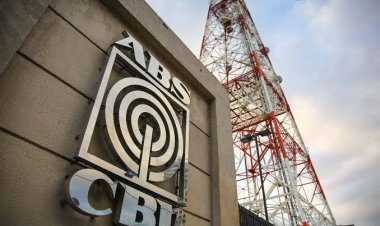
ABS-CBN, meanwhile, has reportedly narrowed its financial losses while preparing to raise approximately ₱6 billion in additional capital.
The proposed financing comes as the company continues adapting its business model following the loss of its free-to-air broadcast franchise in 2020.
Since then, ABS-CBN has increasingly focused on content production, licensing, partnerships and digital distribution.
Its programmes and entertainment properties continue to reach audiences through partner television networks, streaming platforms and online channels.
Fresh capital could provide additional financial flexibility to support operations, manage obligations and pursue future growth opportunities.
However, the effectiveness of any capital-raising initiative will depend on the transaction's final terms, the company's financial position and its ability to generate sustainable earnings from content and distribution partnerships.
Summit Media takes full control of PEP.ph and SPIN.ph
In another significant development, Gokongwei-led Summit Media has acquired full ownership of Philippine Entertainment Portal (PEP.ph) and Sports Interactive Network (SPIN.ph), ending its long-standing partnership with GMA Network.
The transaction concludes a 19-year business relationship and gives Summit Media greater control over the two established digital publishing brands.
Summit Media has also entered a technology partnership with PlayTime Entertainment through PT Summit, a venture focused on digital platforms, audience engagement and new commercial opportunities.
Summit Media president and CEO Howard Go said the company intends to build on the publications' established audience relationships while expanding their digital capabilities.
Both PEP.ph and SPIN.ph are expected to retain their editorial identities as the company develops new business models.
A changing business model for Philippine broadcasting
The latest corporate developments reflect a broader transformation in the Philippine media industry.
For decades, major television networks relied heavily on nationwide coverage, programme ratings and commercial advertising to generate revenue.
Today, broadcasters face competition from streaming platforms, social media companies, independent content creators and digital publishers.
The challenge extends beyond attracting viewers. Media companies must increasingly demonstrate measurable advertising performance, develop multiple revenue sources and distribute content across different devices and platforms.
TV5's infrastructure expansion represents a strategy built partly around increasing broadcast reach. ABS-CBN is pursuing a content-centred model supported by partnerships, while GMA continues managing its established broadcasting operations alongside digital investments.
Summit Media's consolidation, meanwhile, demonstrates the growing importance of controlling digital brands, technology and audience relationships.
Outlook for 2027
As Philippine media companies prepare for 2027, financial discipline, digital transformation and advertising diversification are likely to remain central priorities.
The industry's next phase may be defined less by the number of television stations a company operates and more by its ability to monetise content across television, digital platforms, streaming services and other distribution channels.
For advertisers, the changes could create more choices and new opportunities to reach specific audiences.
For media organisations, however, the pressure to innovate while controlling operating expenses is expected to continue.
The developments involving TV5, GMA Network, ABS-CBN and Summit Media suggest that the restructuring of Philippine broadcasting and digital publishing is far from over.